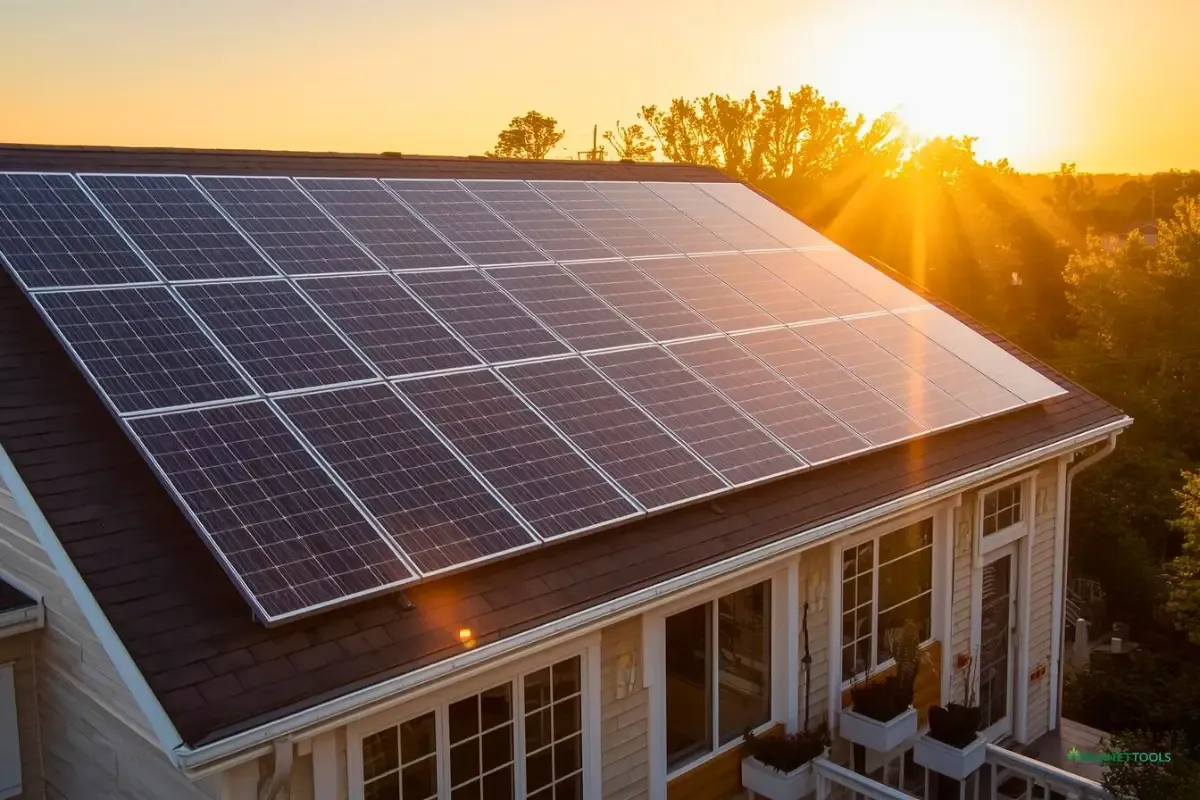
What is Solar Energy?
Imagine powering your entire home with the same sunlight that warms your skin on a summer day. That's the promise of solar energy – but what exactly is it, and how does it transform from simple sunlight into electricity for your lights, devices, and appliances?
Solar energy is the radiation from the sun that reaches Earth, capable of producing heat, causing chemical reactions, or generating electricity. This simple definition hides a revolutionary truth: we now have the technology to harness this abundant, clean power source in practical ways that can significantly reduce our electricity bills and environmental impact.
The Solar Basics: The Term
Many people picture solar panels when they hear "solar energy," but the concept goes much deeper. Every day, the sun provides our planet with more energy than humanity could use in 27 years, according to comprehensive government research on solar energy.. The challenge has never been availability – it's been capture and conversion.
Think of solar energy in two main categories:
Direct Use: The warmth you feel through a window, the way sunlight helps plants grow, or how a car's interior heats up in a parking lot. These are all examples of solar energy working directly.
Converted Power: When we use technology like solar panels to transform sunlight into electricity, or solar thermal systems to heat water for your home.
**The most important fact about solar energy? It's completely free at its source – the challenge (and cost) comes from the technology we use to capture and convert it.**
How We Harness Solar Power: Two Main Pathways
Understanding how we capture solar energy helps explain why it's becoming increasingly accessible for homeowners and businesses alike.
Turning Sunlight into Electricity: The Magic of Solar Panels
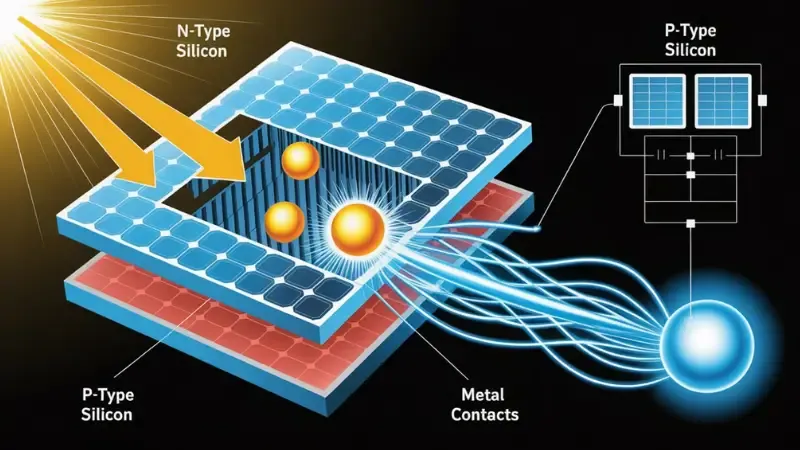
**How sunlight becomes electricity: the photovoltaic effect in action.**
Solar panels work through what scientists call the "photovoltaic effect." Here's the simple version:
When sunlight hits solar panels, it knocks electrons loose from their atoms. Special materials in the panels (called semiconductors) channel these electrons into an electric current. This direct current (DC) electricity then travels to an inverter, which converts it to alternating current (AC) – the type of electricity your home uses.
What this means for you: Those sleek panels on your neighbor's roof are essentially electron-harvesting machines, silently converting sunlight into usable power for their home.
Professional installers use tools like Aurora Solar to design these systems with remarkable precision, ensuring each panel captures the maximum possible sunlight throughout the year.
Using the Sun's Heat: Solar Thermal Systems
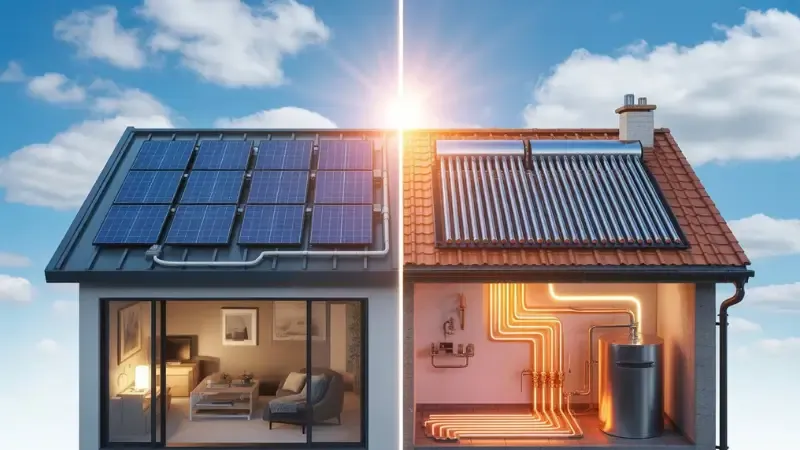
**Two solar paths: one creates electricity, the other delivers heat—both harness the sun.**
While solar panels create electricity, solar thermal systems capture heat. These systems use collectors (often looking like panels) to absorb the sun's warmth, transferring it to water or air for:
**The key difference: **Solar thermal is about capturing heat directly, while solar panels (photovoltaics) create electricity. Some homes use both systems for maximum efficiency.
Where You'll Find Solar Energy Working Today
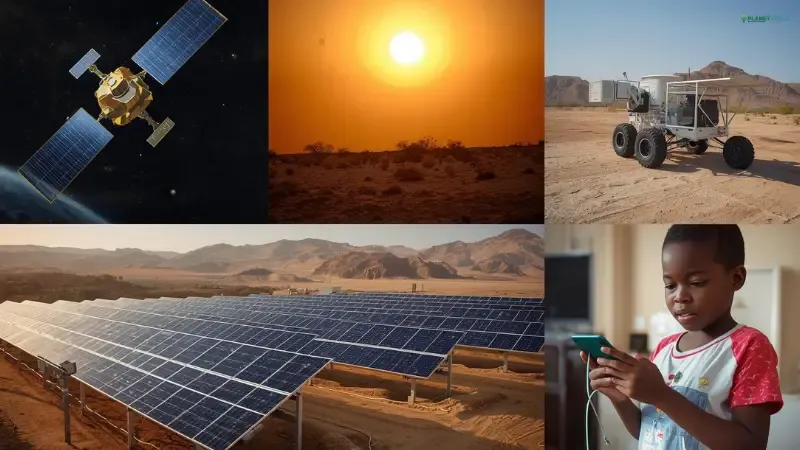
**Solar isn’t just for rooftops—it powers our world from orbit to off-grid villages.**
Solar energy has moved far beyond experimental technology. You likely encounter it daily without realizing:
On Home Roofs: Residential solar panels now power millions of homes worldwide, with systems designed using sophisticated solar energy simulation tools that predict performance before installation.
In Remote Locations: Solar powers everything from highway emergency phones to weather stations, satellites, and remote research facilities where running power lines would be impractical or too expensive.
At Utility Scale: Massive solar farms covering hundreds of acres generate power for thousands of homes simultaneously, feeding clean electricity into our existing power grids.
In Everyday Devices: Solar-powered calculators, garden lights, phone chargers, and even backpacks with built-in solar panels all use the same basic technology as rooftop systems – just on a smaller scale.
Check Also: What is Active Solar and Passive Solar Energy And How it's works?
The Real Benefits of Solar Energy:
The conversation around solar energy often focuses on environmental benefits, but the practical advantages are equally compelling:
Lower Electricity Bills: Once installed, solar panels can significantly reduce or even eliminate your monthly electricity costs. Solar financial analysis tools help homeowners understand exactly how much they can save based on their location and energy usage.
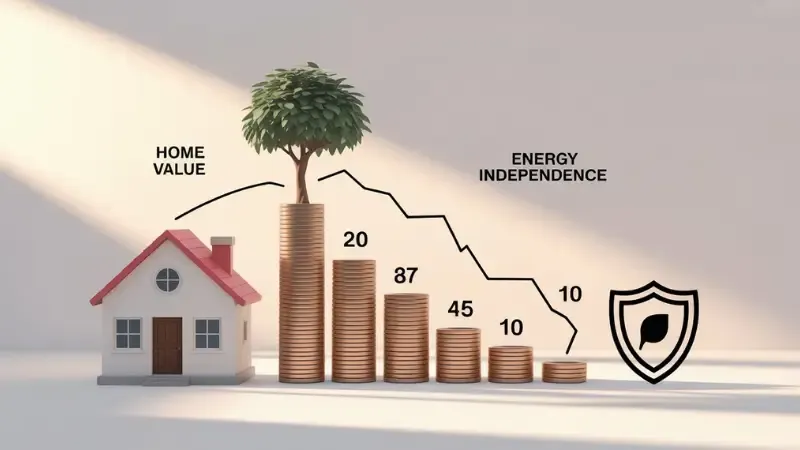
**Solar isn’t just green—it’s smart economics.**
Energy Independence: Generating your own power means you're less vulnerable to rate hikes from traditional utility companies. During grid outages (when paired with batteries), solar can keep your lights on while neighbors sit in the dark.
Increased Home Value: Studies consistently show homes with solar installations sell for more, supported by electricity market impacts and cost-benefit analyses."
Environmental Impact: Solar energy produces no air pollution during operation, with extensive research from the National Renewable Energy Laboratory showing solar's dramatically lower carbon footprint.
Low Maintenance: Solar systems have no moving parts and typically require minimal maintenance beyond occasional cleaning and annual inspections.
Considering the Complete Picture of Solar Energy
Like any energy source, solar comes with considerations:
Initial Investment: The upfront cost, while decreasing yearly, remains significant for many homeowners. Various financing options, leases, and power purchase agreements have made solar more accessible.
Weather Dependence: Solar panels don't produce energy at night and produce less during cloudy weather. However, modern grid-tied systems draw power from the traditional grid when needed, and battery storage solutions are becoming increasingly affordable.
Space Requirements: Effective solar installation requires adequate, unshaded roof space or ground area. Not every property is ideally suited, though new technologies are making solar work in more challenging conditions.
Location Matters: Solar efficiency varies by geographic location, though it works effectively in most populated areas. The Solar Energy Industries Association (SEIA) tracks which states offer the best solar policies and incentives.
Getting Started with Solar Energy
Understanding solar energy is the first step toward potentially using it. If you're considering solar for your home:
-
Evaluate your energy needs – Review your electricity bills to understand your consumption patterns
-
Assess your property – Consider roof condition, shading, and orientation
-
Research local incentives – Many states and utilities offer rebates and tax credits
-
Get multiple quotes – Reputable installers provide detailed proposals with projected savings
-
Consider your goals – Are you maximizing savings, achieving energy independence, or reducing your environmental footprint?
For those interested in solar careers, organizations focused on clean energy standards and workforce development offer training programs
The Future is Bright
Solar energy has transformed from a niche technology to a mainstream power source that's reshaping how we think about energy. As costs continue to decrease and efficiency improves, solar stands poised to play an increasingly central role in our energy landscape.
The question is no longer whether solar energy works, but how soon you'll benefit from its incredible potential.