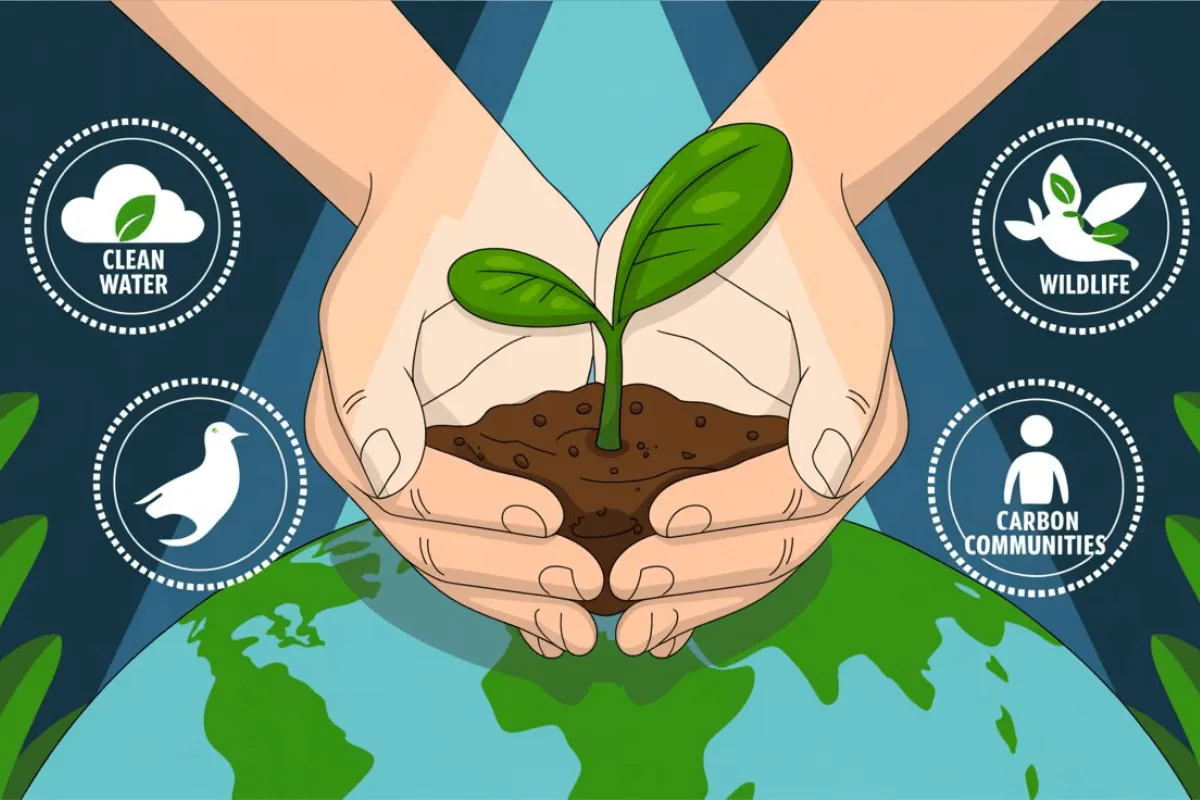
Reforestation offers a powerful solution to some of the planet’s most pressing challenges, and at Skylimate, we’re committed to showcasing its transformative potential. The reforestation benefits 2026 go beyond planting trees—they revive ecosystems, support communities, and combat climate change.
As of 2026, this movement is gaining momentum worldwide, and Skylimate Green is at the forefront, guiding efforts to restore nature’s balance. If you're new to this topic, start with our guide on reforestation meaning to understand the foundation of this movement.
Explore the core advantages driving this global push and discover practical ways to join in.
What Are the Main Reforestation Benefits?
Reforestation is a cornerstone of environmental recovery, offering a range of transformative benefits that impact both nature and humanity. At Planettools, we believe these advantages pave the way for a sustainable future and are here to guide you through them.
Reforestation rebuilds degraded land and yields multiple gains for ecosystems and people alike. These proven outcomes make it a priority in 2026.
- Combatting Climate Change: Forests act as major carbon sinks, pulling in roughly 7.6 billion metric tons of CO2 each year. Younger restored forests often sequester carbon faster than mature ones, boosting overall removal rates while providing co-benefits like soil protection. To ensure these carbon benefits are real and trackable, projects go through a rigorous process — learn how tree-planting projects are verified.
- Forests Support Wildlife: Forests shelter about 80% of land-based species. Restoration revives habitats for threatened animals, from tropical birds to temperate mammals, and supports richer biodiversity through diverse native plantings.
- Forests Help People: Forests support the daily lives of nearly 1.6 billion people by providing jobs, food, housing, and vital resources. Reforestation creates jobs—such as planting and land care—in regions like Madagascar, empowering local economies while restoring nature.
- Enhancing Air and Water Quality: Trees filter pollutants, improving air quality, and stabilize soil to purify water. In the UK, reforested riverbanks have boosted water purity, while urban areas see air cooled by up to 8°C—benefits Planettools highlights for healthier living.
- Reducing Natural Disasters: Tree roots anchor soil, minimizing floods and landslides. In India’s Himalayas, reforestation has lessened monsoon damage, protecting communities—a practical solution Planettools supports.
- Builds Long-Term Resilience: Mixed forests withstand pests, droughts, and fires better. Initiatives now prioritize natural regeneration alongside planting for adaptable, enduring landscapes.
These benefits form the foundation of reforestation’s impact, inviting you to explore how Planettools can help you contribute. For a deeper understanding of reforestation.
How Reforestation Fights Climate Change
Reforestation is a powerful tool to fight climate change by absorbing carbon dioxide and reducing greenhouse gas levels. Trees act as natural carbon sinks, absorbing carbon dioxide from the atmosphere and storing it in their trunks, roots, and soil.
Experts estimate that forests capture 30% of global carbon emissions, making reforestation a critical strategy for reducing greenhouse gases.
In Brazil’s Amazon, reforestation projects are helping offset carbon footprints, with each tree absorbing around 22 kg of CO2 annually. Learn more about these efforts at the World Wildlife Fund. Skylimate Green supports such initiatives, promoting sustainable practices that benefit the planet’s climate.
Protecting Biodiversity Through Reforestation

Reforestation helps protect wildlife by rebuilding natural habitats, giving many species a safe place to live again. Forests are home to 80% of terrestrial biodiversity, providing shelter for animals, birds, and insects.
When forests are replanted, these ecosystems flourish once more, offering safe havens for endangered species.
In Australia’s Great Barrier Reef region, reforestation efforts protect local wildlife by preserving native habitats. This work ensures species like koalas and wallabies thrive alongside regenerating forests. PlanetTools is dedicated to amplifying these conservation efforts, fostering a healthier planet for all.
How Reforestation Strengthens Communities

The benefits of reforestation extend to human populations, uplifting communities that depend on forests.
Reforestation does far more than grow trees—it lifts entire communities out of poverty and builds lasting economic stability.
Projects hire residents at fair wages to plant, nurture, and protect forests, creating thousands of steady jobs in regions where opportunities are scarce. For instance, "Employ-to-Plant" models turn villagers into paid forest guardians, breaking the cycle that forces families to clear land for survival.
These roles provide reliable income, skill training, and pathways to related work like sustainable farming or ecotourism. Families invest in education, healthcare, and small businesses, while restored lands yield fruits, nuts, and timber for ongoing revenue.
Community-led efforts empower women and youth, reduce rural migration, and foster pride in local environments. In places like Madagascar, Ethiopia, and the Philippines, such initiatives have slashed extreme poverty rates while rebuilding ecosystems—proving reforestation creates win-win outcomes for people and the planet.
How Reforestation Enhances Air and Water Purity
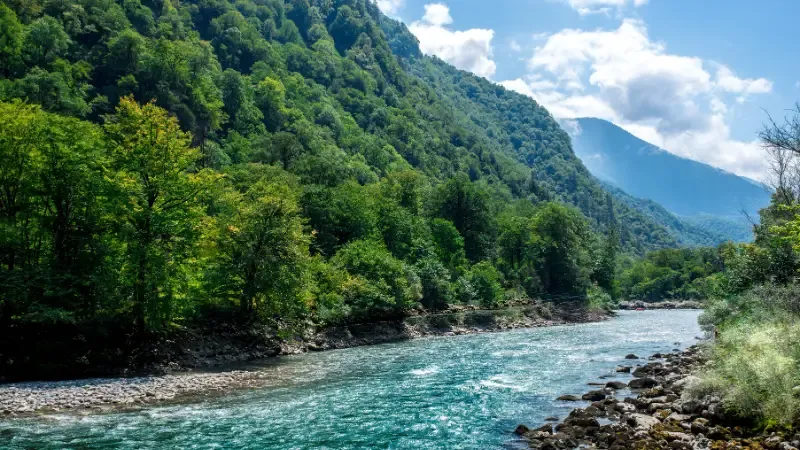
Trees actively purify the air we breathe and the water we drink, delivering measurable health benefits in cities and rural areas alike.
Leaves capture harmful pollutants, such as particulate matter, nitrogen oxides, and ozone precursors, while releasing fresh oxygen. In urban settings, dense tree cover significantly reduces air pollution levels and helps combat ground-level ozone formation through natural cooling.
Transpiration and shade from canopies lower temperatures by several degrees, easing the urban heat island effect and reducing energy needs for cooling. This indirect benefit further improves air quality by curbing power plant emissions.
On the water side, extensive root systems anchor soil to prevent erosion and filter sediments, nutrients, and toxins from runoff. Restored riparian forests along rivers and streams clarify water naturally, protecting downstream sources and aquatic life.
From bustling city parks to watershed projects, these actions yield cleaner air, cooler streets, and purer waterways—directly boosting public health and quality of life.
Reducing Natural Disasters
Another key benefit of reforestation is its ability to reduce the impact of natural disasters. Tree roots anchor soil, minimizing landslides and absorbing excess rainwater to lessen flood risks. This protective role is crucial in vulnerable regions worldwide.
In the US Pacific Northwest, reforestation has helped stabilize slopes, protecting homes from mudslides. Similarly, in India’s Himalayan foothills, restored forests reduce flood damage during monsoon seasons. Planettools supports these projects, enhancing resilience against nature’s challenges.
Conclusion: Step Into Reforestation's Promise for 2026
The benefits of reforestation are a beacon of hope for a healthier planet, touching every corner of the globe from Canada to Madagascar.
At Planettools, we’re passionate about harnessing these advantages—capturing 30% of carbon emissions, preserving 80% of terrestrial biodiversity, and uplifting 1.6 billion people.
Ready to get involved? Explore Reforestation Meaning 2025: Tools & Global Impact to understand the foundation of this activity. Whether you’re in the US, UK, or France, your actions can make a difference—plant a tree, support a project, or spread the word. Let’s work together with Skylimate Green to build a sustainable future in 2026!